ENCLOSURES
Leith Hill Place Arts & Heritage Programme 2026
exploring land, displacement and belonging
OUR PARTNERS:


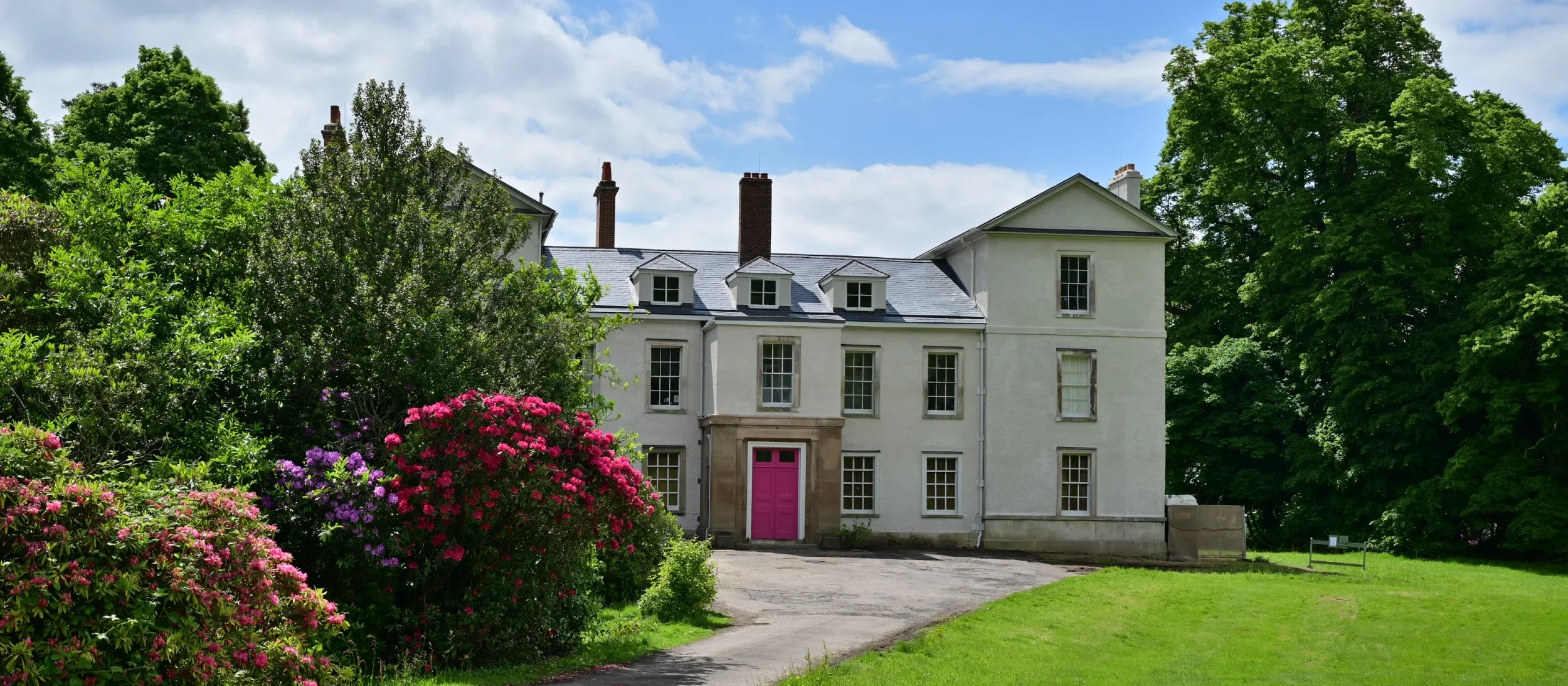
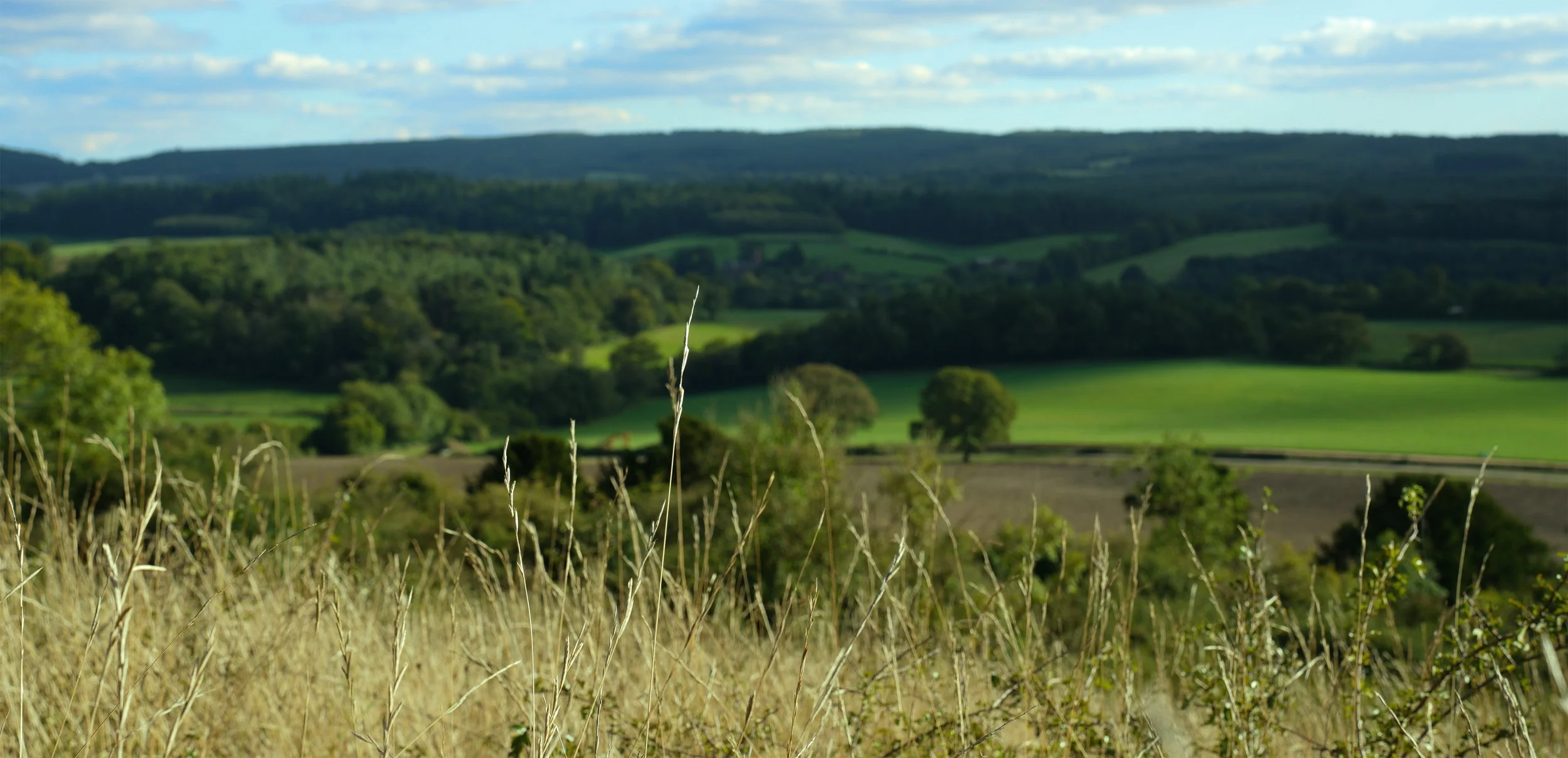
Childhood home of Ralph Vaughan Williams, Leith Hill Place is a place of creativity and inspiration. Managed by the National Trust, it's becoming a dynamic cultural hub set within an Area of Outstanding Natural Beauty. The ENCLOSURES programme sets out to further establish LHP as a dynamic site for heritage arts practice that deepens our connection with the landscape.
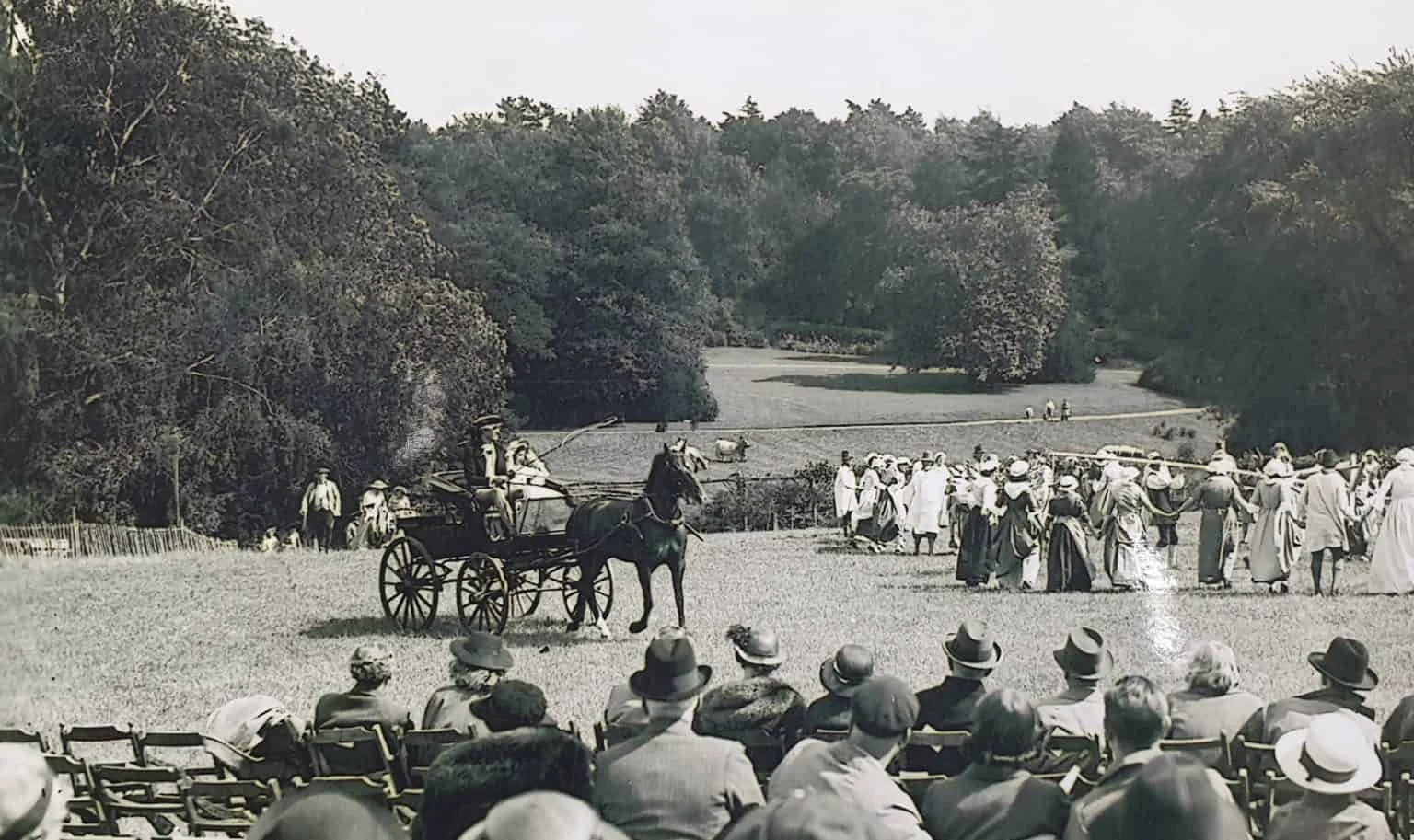
At the heart of the programme we are reimagining a significant theatrical work that hasn't had been performed in 86 years: E.M. Forster's and Ralph Vaughan William’s 1938 community pageant "England's Pleasant Land".
The pageant explores land enclosure between 1066-1938 through Forster's dramatic scenes and RVW's original orchestration. It represents a unique cultural artifact: an acclaimed playwright and one of Britain's greatest composers creating ambitious work that centers community members as performers and co-creators.
Landmarks - Spoken Word Video: developed through interviews with local residents about their relationship to the landscape
Creative Partners
Rosie May Jones (Lead Creative)
Rosie May Jones is multidisciplinary artist and poet, specialising in spoken word & place-responsive performance. Her work explores how narratives of place shape our sense of self and community. She has delivered creative projects for organisations including the National Trust, Sky Arts, the British Council and Natural England, and she is currently a PhD student studying Animist Landscapes for Co-creative Practice.
Engaging communities and co-creation are central to her work. Much of her poetry is developed through verbatim techniques, working directly from recorded conversations conducted during her research. She is also a passionate workshop facilitator, with experience in creating poetry workshops which engage people in landscape, place and more-than-human perspectives.
“A heartfelt thank you for your wonderful poem & performance at the launch of the NNR... Your words truly captured the spirit of the landscape & the occasion—moving, evocative, & beautifully delivered.”
Catherine McCusker (Producer)
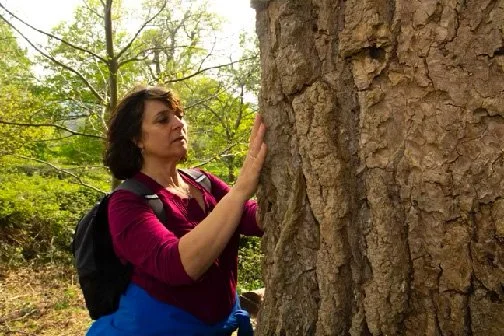
Catherine McCusker, Visitor Operations & Experiences Manager at LHP, brings extensive cultural programming experience and essential community networks. She has extensive experience running a learning and events department working with the widest age group from toddlers to teens and adults in the Surrey Hills. As a a qualified forest bathing guide and a Mental Health First Aid Trainer she is passionate about nature's power to heal and restore. She facilitates nature connection outreach projects including the impactful Rest and Digest Retreat with East Surrey Domestic Abuse Service.
Damn Cheek Productions (Community Development & Facilitation)
With a passion for accessibility and inclusivity, Damn Cheek Productions has been creating bold, community led theatre since 2013. They champion new writing that tackles difficult and nuanced issues head-on, always seeking to provoke, entertain and inspire through compelling performances. Their work reaches diverse audiences across unconventional spaces – from community centres, libraries, parks and pubs to theatres and festivals. Central to their practice is involving communities as central collaborators, building skills for everyone involved through co-creation projects and comprehensive workshops and training programmes.
Maya McCourt (Music Director)
Music Leader at English Folk Dance and Song Society, Maya McCourt specialises in engaging young people with traditional British music and building communities of young traditional musicians. Director at Flotsam Sessions, facilitating intercultural community through folk music. Graduate of University of Edinburgh with Masters in Music in Development from SOAS. Her expertise in folk music and community engagement makes her ideally suited to lead the musical elements of this RVW pageant revival and develop partnerships with local youth choirs and village bands, as well as introducing diverse musical influences that update and reflect contemporary society.

Jack Kingslake (Electronic Music Facilitator)
As Contemporary Music Lead for Surrey Hills Arts, Jack Kingslake will work with young people experiencing housing challenges to develop our Electric Music Project. Weaving together Ralph Vaughan Williams' orchestral compositions, oral histories and environmental recordings to create a multi-layered soundscape that speaks to intergenerational experiences of land, community, and change. Jack is a multi instrumentalist, contemporary music producer, composer and sound designer with over 25 years experience in the industry, including teaching music production at every level and delivering workshops in a huge range of community settings.
THE PROGRAMME
REVIVING A LOST WORK
England's Pleasant Land - the 1938 community pageant - exploring how land enclosure and reform have reshaped England's relationship with its countryside across 1000 years of history - hasn't had a serious production in 86 years. Not because it lacks relevance, but because it requires committed communities to make it happen.
We've mobilised over 100 participants from local drama societies, choirs, bands, and community groups to revive Forster's dramatic scenes and RVW's orchestral score - but we're not just recreating 1938. We're continuing the conversation.

INTERGENERATIONAL VOICES
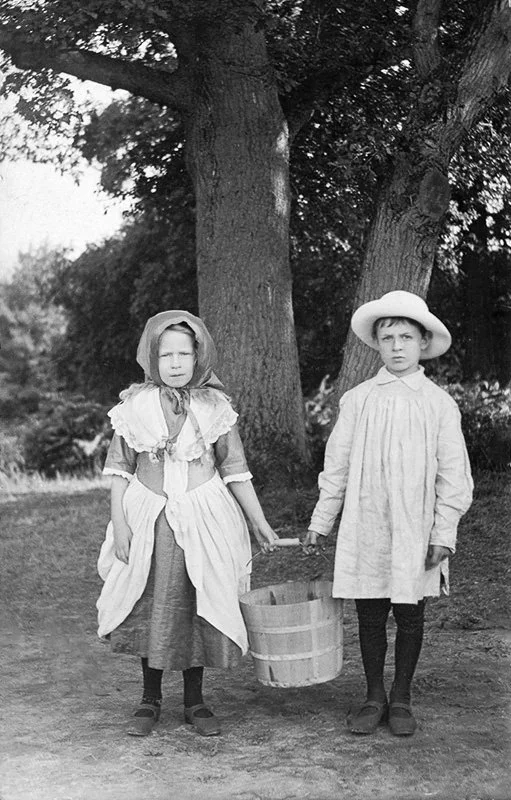
At the heart of our contemporary response is dialogue across generations.
Care home residents share memories of mid-20th century Surrey, alongside young people facing housing insecurity in one of England's least affordable regions speaking about what belonging means today.
These voices meet in electronic music.
Led by Jack Kingslake, young people from Amber Foundation and George Abbott School create compositions that sample and weave together: oral histories from care home residents, fragments of Maya McCourt's arrangements of RVW's 1938 score, their own spoken experiences, sounds from the Surrey Hills landscape itself.
Past and present in sonic dialogue. Youth and age. Heritage and contemporary crisis.
IF FOLK IS MUSIC OF THE PEOPLE...
RVW believed community members making music together was where culture truly lived. He championed folk tradition as living, evolving practice - not museum pieces but music of the people.
So we're asking: what does that mean today?
Young people creating electronic music with accessible technology. Care home residents' voices woven into compositions. Traditional orchestras performing alongside digital soundscapes. Village bands and community choirs reviving RVW's score while electronic ensemble responds.
This isn't heritage versus contemporary - it's folk practice.
LEGACY & ACCESSIBILITY
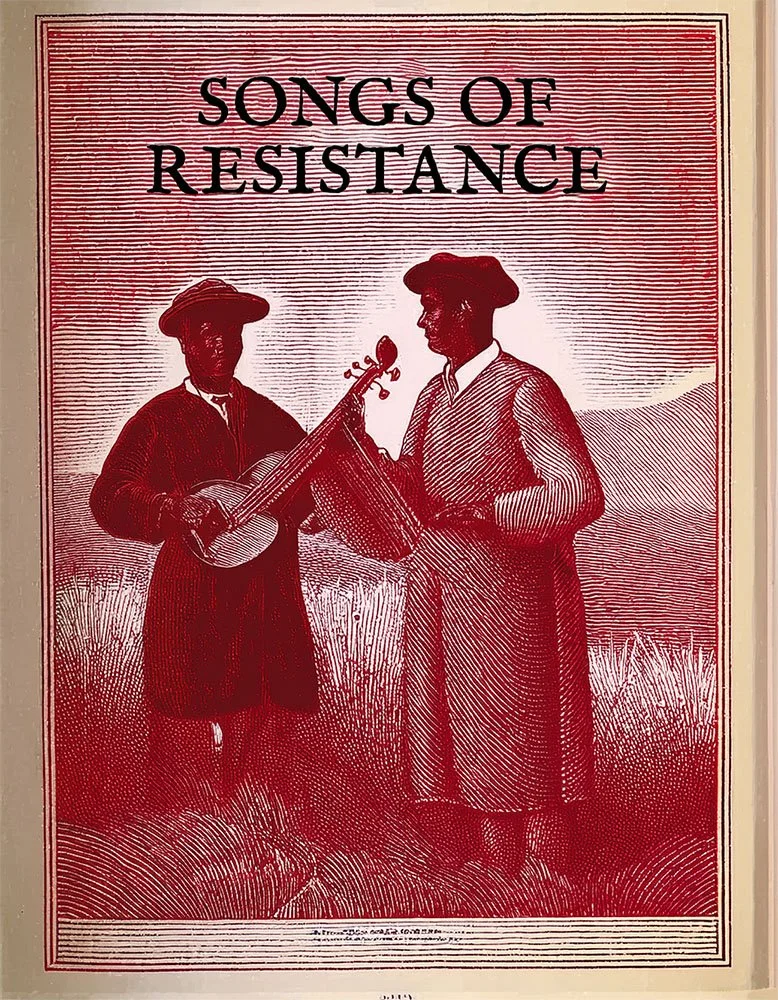
Songs of Resistance Publication: Professional publication featuring full musical scores, commissioned poetry, woodcut illustrations in broadside ballad tradition, and contextual research exploring land enclosure and resistance. Creates lasting resource - available for purchase and free for all participants.
House Exhibition with Accessible Audio: Exhibition bringing together visual art and poetry to explore how land enclosure transformed Surrey's landscape and communities, with contemporary resonances around housing insecurity and access to nature, featuring accessible audio tour with hearing aid T-loop compatibility.
Portable Pageant: Portable version of the pageant combining poetry and live music brings the work to care homes and community venues - honoring voices of people who can't access Leith Hill Place, with potential for ongoing touring beyond 2026.
Tea Time Talks: Four talks providing historical and contemporary context for the creative work.
Regional Impact
“Despite its reputation for affluence and privilege, there are areas of deprivation, marginalisation, disenfranchisement, and disconnection across the whole of Surrey.”
Behind the Prosperous Facade
Surrey looks like England's pleasant land. Prosperous countryside, Area of Outstanding Natural Beauty, picture-postcard villages. But beneath the surface, the same forces that drove historical land enclosure continue to shape who has access to landscape, housing, and belonging.
Young people at Amber Foundation face homelessness in one of England's least affordable regions - median property prices of £508,000, affordability ratios of 10.4 to 16.1 times median salary. Repossession actions increased 19% in 2024. Historical enclosure displaced people from common land; today's housing crisis displaces people from any land at all.
69% of those needing support with isolation in Mole Valley didn't receive it during the pandemic. By 2038, Mole Valley will have one of the highest populations aged 65-84. Rural isolation isn't just geographic - it's about who has access to community, culture, and the landscape itself.
61,835 Surrey residents have significantly limited daily activities due to disability. Cost, transport, and relevance create barriers to heritage venues - the very places that should serve everyone.
Why This Matters for Surrey
Surrey receives the lowest Arts Council England investment per capita (£6.22) compared to neighboring counties - only 6 National Portfolio Organisations versus 21 in Kent, 28 in Sussex, 23 in Hampshire.
This programme demonstrates how ambitious arts practice can address real social challenges:
Intergenerational creative dialogue across isolation and housing crisis
Electronic music and verbatim poetry giving voice to marginalized communities
Accessible creative participation (BSL, audio description, portable performances, transport support)
Challenging exclusionary narratives of English identity through folk music and pageant revival
This project sits at the intersection of major regional priorities:
National Trust's commitment to increasing nature access for all
Surrey Hills National Landscape's development of inclusive place-making (informing £8m+ regional investment)
Surrey Cultural Partnership's call for culture to "support our towns and villages in developing a sense of place"
“The question the 1938 pageant asked - who has access to England’s pleasant land - remains urgent. This programme shows how creative practice can address it, not just acknowledge it.”